 Illinois Lung and Interventional Pulmonary Associates


Pneumonia is an infection that causes inflammation in the air sacs (alveoli) of the lungs, leading to the accumulation of fluid or pus, which can significantly impair breathing. This condition can be caused by a variety of infectious agents, including bacteria (such as Streptococcus pneumoniae), viruses (like influenza or SARS-CoV-2), and fungi (such as Pneumocystis jirovecii).
Pneumonia often develops after an upper respiratory infection, when pathogens can more easily enter the lungs, particularly in individuals with weakened immune systems, chronic lung conditions, or those who have recently undergone surgery. Other risk factors include smoking, exposure to air pollutants, and prolonged bed rest. Symptoms typically include cough, fever, chills, shortness of breath, and chest pain, which can range from mild to severe depending on the individual’s health status and the causative agent.
At ILIP, a dedicated team conducts thorough evaluations to determine the cause of pneumonia and to develop effective treatment plans tailored to individual patient needs.
The symptoms of pneumonia can vary in severity and may include:
Symptoms can develop suddenly or gradually, and their intensity can vary based on the individual’s overall health and the severity of the infection. If pneumonia is suspected, seeking medical attention is crucial for proper diagnosis and treatment. ILIP can provide the necessary diagnosis and treatment to address your condition effectively.
How is Pneumonia Diagnosed?
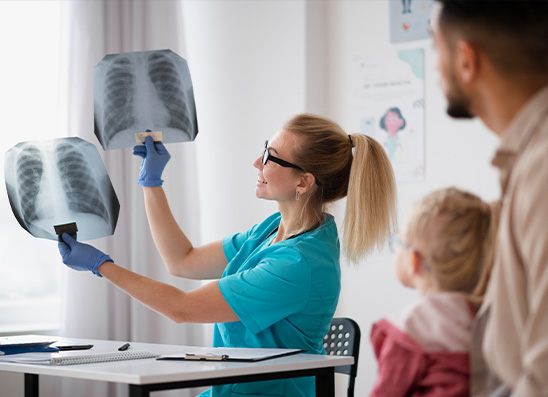
When you visit ILIP, you will undergo a thorough evaluation by a healthcare provider who will assess your medical history and symptoms, such as cough, fever, and difficulty breathing. A physical examination will be conducted to listen for abnormal lung sounds that may indicate infection. Diagnostic tests will play a crucial role in confirming pneumonia; these may include
Pulse oximetry may also be used to measure oxygen levels in your blood. This comprehensive approach ensures an accurate diagnosis, allowing ILIP to develop an effective treatment plan tailored to your individual needs.
How is Pneumonia Treated?
Pneumonia treatment typically depends on the severity of the infection and the patient’s overall health. Common treatment options include:
In addition to specific medications, supportive care plays a crucial role in the treatment of pneumonia. Over-the-counter cough medicines may be recommended to alleviate coughing, although it’s important to note that coughing can help clear mucus from the lungs. Pain relievers, such as acetaminophen or ibuprofen, can help reduce fever and relieve chest pain associated with the infection. For patients experiencing low oxygen levels, supplemental oxygen therapy may be administered to assist with breathing and ensure adequate oxygen supply to the body. In more severe cases of pneumonia, hospitalization may be necessary for intensive treatment, which can include intravenous medications and respiratory support to stabilize the patient. Overall, maintaining proper hydration, rest, and nutrition are essential for supporting the body’s recovery during the treatment process.
In ILIP, your treatment plan will be customized based on the type and severity of pneumonia, and your healthcare provider will monitor your progress to ensure effective recovery.